
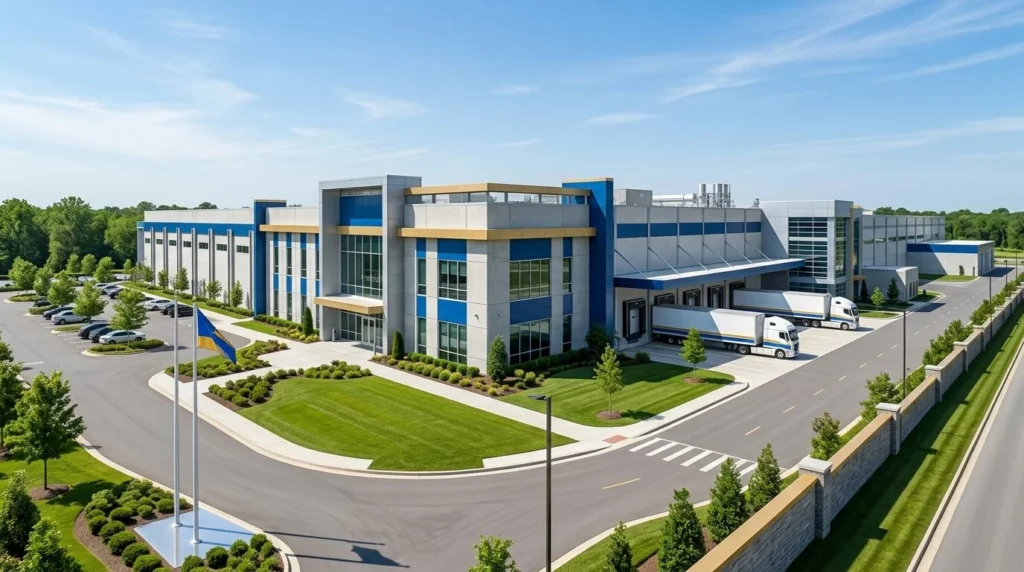
Maquila Regime in Paraguay 2026: How to Structure Your Company with a 1% Single Tax
Key takeaways from this update in 1 minute:
- Exports under the maquila regime reached USD 860 million, marking a 28% growth compared to the previous year.
- The regime stands out for its unique fiscal incentive: a single tax of only 1% on the value added within the national territory.
- Paraguay is consolidating its position as a highly competitive industrial and export services platform compared to other countries in the region.
- Foreign investors are leveraging this legal framework to optimize global manufacturing and service supply chains.
The Paraguayan maquila industry is not just breaking sales records; it is becoming the preferred tax planning tool for foreign entrepreneurs looking to manufacture or provide services to the world without bearing unsustainable tax burdens.
Official data from the Chamber of Maquiladora Companies of Paraguay (Cemap) confirms that international interest has moved beyond mere expectations to become real, operational projects. With a 28% increase in exports reaching USD 860 million, the country offers clear rules of the game and macroeconomic predictability that is scarce in the rest of Latin America.
If you are evaluating how to set up a company in Paraguay, understanding how this special regime works can make the difference in your net profit margins.
What is the maquila regime and why does it attract so much foreign capital?
The maquila is an investment incentive system through which local or foreign companies can import raw materials, inputs, or tools with temporary suspension of customs duties and VAT. The goal is to process, assemble, or repair these goods in the country and then export them.
A 1% tax is not a typo. It is a legal reality.
Unlike the conventional tax regime, operations under this scheme are exempt from any other national, departmental, or municipal taxes. Instead, a single tax of 1% is applied to the export invoice or the value added in the country, representing one of the most aggressive advantages within the structure of taxes in Paraguay.
To understand the real differences before structuring your business, analyze this direct comparison:
| Operational and Tax Variable | General Regime (IRE) | Maquila Regime |
|---|---|---|
| Corporate Income Tax | 10% on net fiscal income | 1% Single Tax (on invoice value or value added) |
| Importation of Raw Materials / Inputs | Applicable customs duties + Import VAT | Total suspension of duties and VAT via bond or guarantee |
| Repatriation of Dividends Abroad | 8% withholding for IDU (Dividend Tax) | Fully exempt from tax withholdings |
| Types of permitted activities | Any commercial, industrial, or service activity | Manufacturing, assembly, software, BPO, and export services |
Operational challenges noted by the industry
Despite the obvious tax advantages, Cemap industry leaders remind us that the success of an industrial operation in Paraguay requires rigorous logistical planning. Factors such as the availability of high-voltage electricity, technical qualification of personnel, and road infrastructure are variables every investor must audit before signing their maquila project.
Interested companies must validate not only the benefit on paper but the viability of their supply chain. The legal stability of the country is guaranteed, but operational efficiency depends on correct structuring from day one.
Requests and approvals for this special regime are centralized and regulated directly by the National Council of Maquila Export Industries of the Ministry of Industry and Commerce (MIC), ensuring that files comply with environmental and formal employment regulations required by the Paraguayan government.
The ParaguayWay Analysis: The boom of the Maquila in 2026 and its impact for the foreign investor
As wealth and corporate consultants, we observe that many entrepreneurs associate the maquila solely with large auto parts or textile plants of high physical volume. This is a common perspective error.
In the current 2026 corporate landscape, the outsourcing of services and software development under the “Service Maquila” modality is capturing a very high volume of technology operations, technical support, and administrative processes for corporations in the United States and Europe.
What does this mean? It means you can establish a technology development office in Asunción, hire local engineers, invoice your services to global clients, and pay only 1% in taxes completely legally.
360º Case Study:
A few weeks ago, a German software developer based in Switzerland contacted us with a tax optimization problem for his web development agency. His team of programmers was operating scattered across Latin America without a formal structure, which caused banking frictions and high taxation in Europe.
Through our comprehensive residency in Paraguay and company incorporation service, we structured a company under the Service Maquila format in Asunción. Although we initially had to overcome administrative delays in opening the corporate bank account due to local exhaustive compliance processes, we managed to validate his maquila contract before the MIC.
Today, this client not only resides legally in the country enjoying a great quality of life, but his company invoices centrally at 1% single tax, exporting digital solutions with complete legal security.
If you wish to analyze how this advantageous regime or conventional tax structures can adapt to your business model, let’s analyze your relocation case without obligation to ensure a seamless process.